

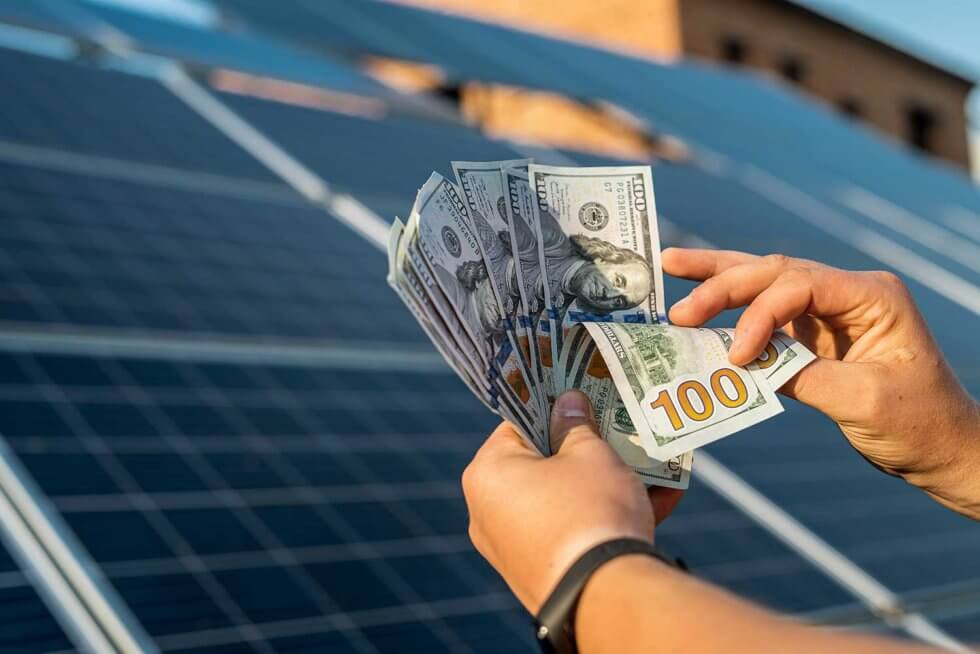
Cost, Payback Period, and Profitability Explained
Investing in solar energy is becoming increasingly popular. However, most investors ask one key question: is it financially worth it?
The answer depends on several factors. Therefore, understanding the ROI of solar energy systems is essential. As a result, you can make a more informed investment decision.
What Is ROI in Solar Energy?
ROI (Return on Investment) measures how quickly an investment pays for itself and how much profit it generates over time.
In solar projects, ROI depends on:
- Installation cost
- Energy savings
- System efficiency
- Government incentives (if available)
In addition, long-term performance plays a critical role in overall profitability.
Initial Cost of Solar Energy Systems
The first factor is the installation cost. This includes:
- Solar panels
- Inverters
- Installation and labor
- Optional energy storage systems
However, costs have decreased significantly in recent years. As a result, solar energy has become more accessible.
Energy Savings and Revenue
Solar systems reduce electricity bills. In addition, excess energy can sometimes be sold back to the grid.
For example, businesses with high energy consumption benefit the most. Therefore, savings increase over time and improve ROI.
Payback Period
The payback period shows how long it takes to recover the initial investment.
Typically:
- Residential systems: 4–7 years
- Commercial systems: 3–6 years
However, this varies depending on location and energy usage. As a result, proper planning is essential.
Long-Term Profitability
Solar systems usually last 20–25 years. Therefore, after the payback period, the energy produced becomes pure profit.
In addition, maintenance costs are relatively low. As a result, long-term returns remain strong and stable.
Factors That Affect Solar ROI
Location
Sunlight exposure directly impacts performance. Therefore, regions with high solar radiation generate better returns.
System Design
A properly designed system improves efficiency. In addition, correct sizing prevents energy loss.
Energy Prices
Higher electricity costs increase savings. As a result, ROI improves significantly.
Integration with Energy Storage
Adding energy storage systems improves energy usage. However, it increases initial cost.
Therefore, storage should be evaluated based on project needs.
Why Solar Energy Is a Smart Investment
Solar energy is not only sustainable but also financially attractive. In addition, it reduces dependency on external energy sources.
As a result, businesses gain more control over their costs and operations.
Conclusion
The ROI of solar energy systems is strong and reliable when planned correctly. While initial costs exist, long-term savings and profitability make solar a smart investment.
Therefore, evaluating your project carefully ensures maximum return and efficiency.
