

Technologies, Benefits, and Applications for Modern Energy Projects
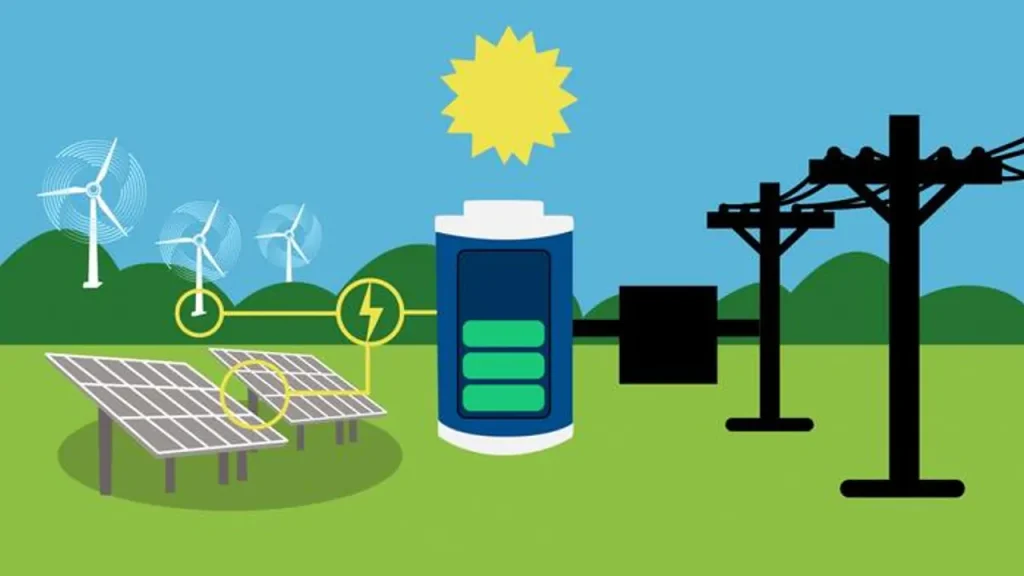
Energy production is not always consistent. However, energy demand continues at all times. This mismatch creates inefficiencies in modern energy systems.
Energy storage systems solve this problem. In addition, they store excess energy and deliver it when needed. As a result, energy becomes more stable and reliable.
What Are Energy Storage Systems?
Energy storage systems are technologies that store energy for later use. They capture energy during low demand and release it during high demand.
For example, energy generated from solar energy systems can be stored during the day and used at night. Therefore, storage systems improve overall system efficiency.
Types of Energy Storage Technologies
Lithium-Ion Batteries
Lithium-ion batteries are the most widely used energy storage systems today. They offer high efficiency and fast response times.
In addition, they require low maintenance. As a result, they are ideal for both residential and commercial projects.
Lead-Acid Batteries
Lead-acid batteries are a traditional solution. However, they have lower efficiency compared to modern systems.
Therefore, they are mainly used in smaller or backup applications.
Flow Batteries
Flow batteries are designed for large-scale energy storage. They store energy in liquid electrolytes.
In addition, they offer long life cycles. As a result, they are suitable for industrial and utility-scale projects.
Thermal Energy Storage
Thermal systems store energy in the form of heat or cold. For example, they can store excess energy and release it for heating or cooling.
Therefore, they are widely used in industrial applications.
Key Benefits of Energy Storage Systems
Energy Reliability
Energy storage systems ensure a continuous power supply. As a result, outages and interruptions are minimized.
Increased Efficiency
Energy is stored instead of wasted. In addition, systems operate more efficiently over time.
Cost Optimization
Storage reduces peak energy usage. Therefore, electricity costs can be significantly lowered.
Support for Renewable Energy
Renewable sources are not always stable. However, energy storage systems balance supply and demand.
As a result, renewable energy becomes more practical and scalable.
Applications of Energy Storage Systems
Residential Use
Homeowners use storage systems to reduce electricity bills. In addition, they gain energy independence.
Commercial and Industrial Use
Businesses use energy storage systems to manage energy costs and ensure reliability.
For example, factories can store energy during off-peak hours and use it during peak demand.
Grid-Level Storage
Large-scale systems support national energy grids. Therefore, they improve stability and prevent power fluctuations.
Integration with Renewable Energy Systems
Energy storage systems work best when combined with solar energy systems and other renewable energy solutions.
For example, solar panels generate energy during the day. However, demand may be higher at night. As a result, storage systems balance this difference.
Future of Energy Storage
Energy storage technologies are rapidly evolving. In addition, costs are decreasing while efficiency improves.
Therefore, energy storage systems will play a critical role in future energy infrastructure.
Conclusion
Energy storage systems are essential for modern energy solutions. They improve efficiency, reduce costs, and support renewable energy integration.
Therefore, investing in energy storage is a strategic decision for long-term sustainability and performance.
